1. Safety and scope
The team explains what it can handle and which parts, like testing a site where drugs were made, need a different plan.
Lexington, WA · Cowlitz County
Unknown powder, syringes and stained carpet in a Lexington home all call for the same step. Stay out, keep others away and call (877) 812-4220 for removal, cleaning and disposal.
If anyone is in danger, call 911 first. For a suicide crisis, call or text 988.
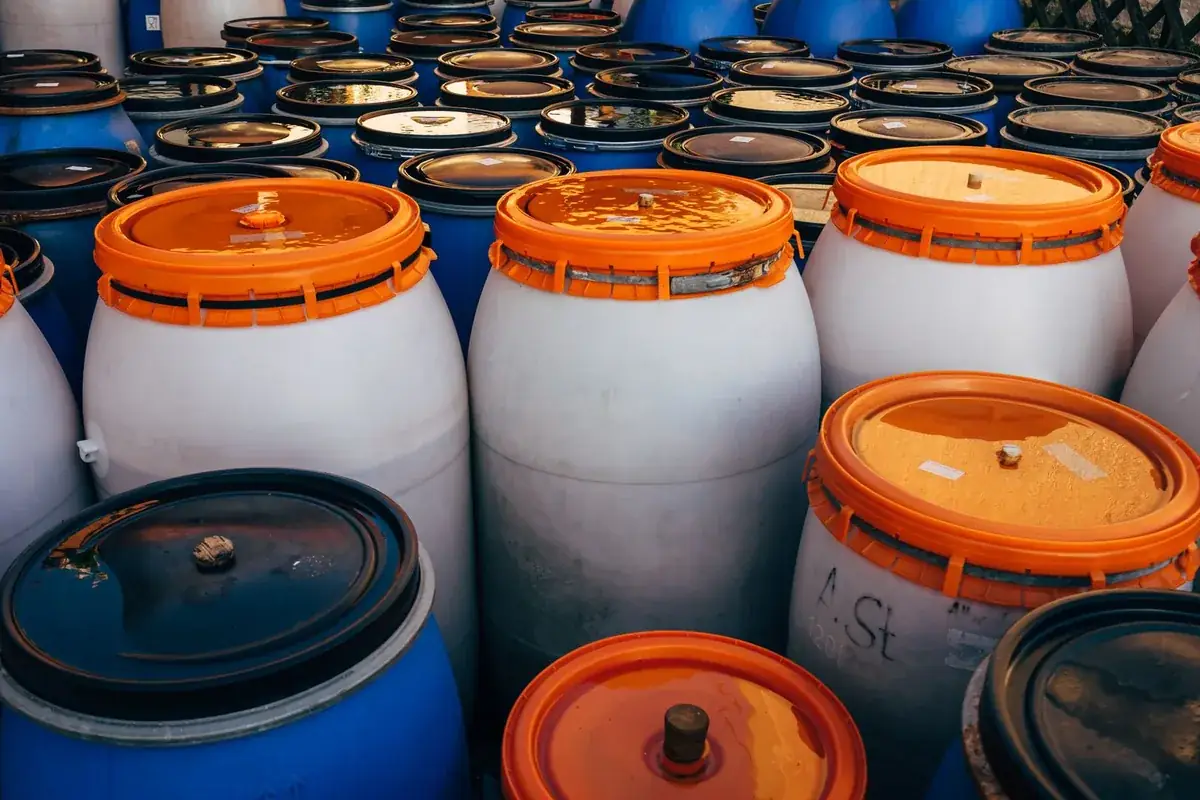
Syringe and drug item cleanup includes finding hidden sharps, lifting them with tools, sealing them in rigid containers and disposing of them as medical waste.
Families in Lexington and Cowlitz County who need help after a loved one's crisis can call Lexington Biohazard Cleanup Help. Crews clear the room calmly and quietly and can arrive in an unmarked vehicle if privacy matters to you.
The vacancy rate in Cowlitz County is only about 5%, so most paraphernalia calls come from occupied homes, rentals and businesses. If anyone is unresponsive or hurt, call 911. The nearest emergency room to Lexington is Peacehealth St John Medical Center in Longview, about 7 miles away.
What drug paraphernalia cleanup covers:
The team explains what it can handle and which parts, like testing a site where drugs were made, need a different plan.
Items are removed room by room, so contaminated materials are not dragged through clean areas.
Contaminated materials are bagged and carried out. Rebuilding or replacing them can wait until the space is clean.
Surfaces are disinfected, odors are treated, and a last walk-through confirms the space is ready.
The cost of drug paraphernalia cleanup in Lexington, WA depends on the amount of material, how it is packed and how it is hauled.
A site where drugs were manufactured needs testing and a different plan. If that applies, the scope and price are different from standard paraphernalia cleanup.
| Type of job | Typical range |
|---|
Estimates only, not a quote. Sources: . Price drivers include amount of material, whether residue is present, surfaces affected, waste disposal. Call (877) 812-4220 to talk through the job.
In many cases the person who calls does not need to be at the property. Ask the team how access and keys can be arranged. If you are out of town, say so when you call. Many teams can arrive in an unmarked vehicle.
Often, yes. Many teams can arrive in an unmarked vehicle and work quietly. If privacy matters, ask about it when you call. The crew shares only what it needs to plan the work.
Loose syringes should never go in household trash, because they can stab sanitation workers. Other items may carry residue. A cleanup team seals and disposes of everything the safe way.
It can be. Used syringes and other sharps can carry bloodborne germs, and residue can harm people who touch or swallow it. A cleanup team can look at what is there and explain how it should be handled. Do not touch it until then.
A careful cleanup removes the items and cleans the surfaces it covers. Testing is a separate step, and rules vary by place. Ask the team what it did and did not check, and ask the local health department what applies where you live.
It is safer not to. You often cannot tell what an item or residue is, and hidden sharps are a risk. Do not mix cleaning products. A cleanup team has the protective gear and containers to do it safely, without judgment.
Crews work without judgment and focus on making the space safe.
Call (877) 812-4220